
Achilles Injuries
Whether a sudden rupture of the ankle tendon or the slow onset of pain at the back of the ankle or lower calf, injuries to the Achilles can be very painful and need to be taken seriously as they can be extremely limiting.
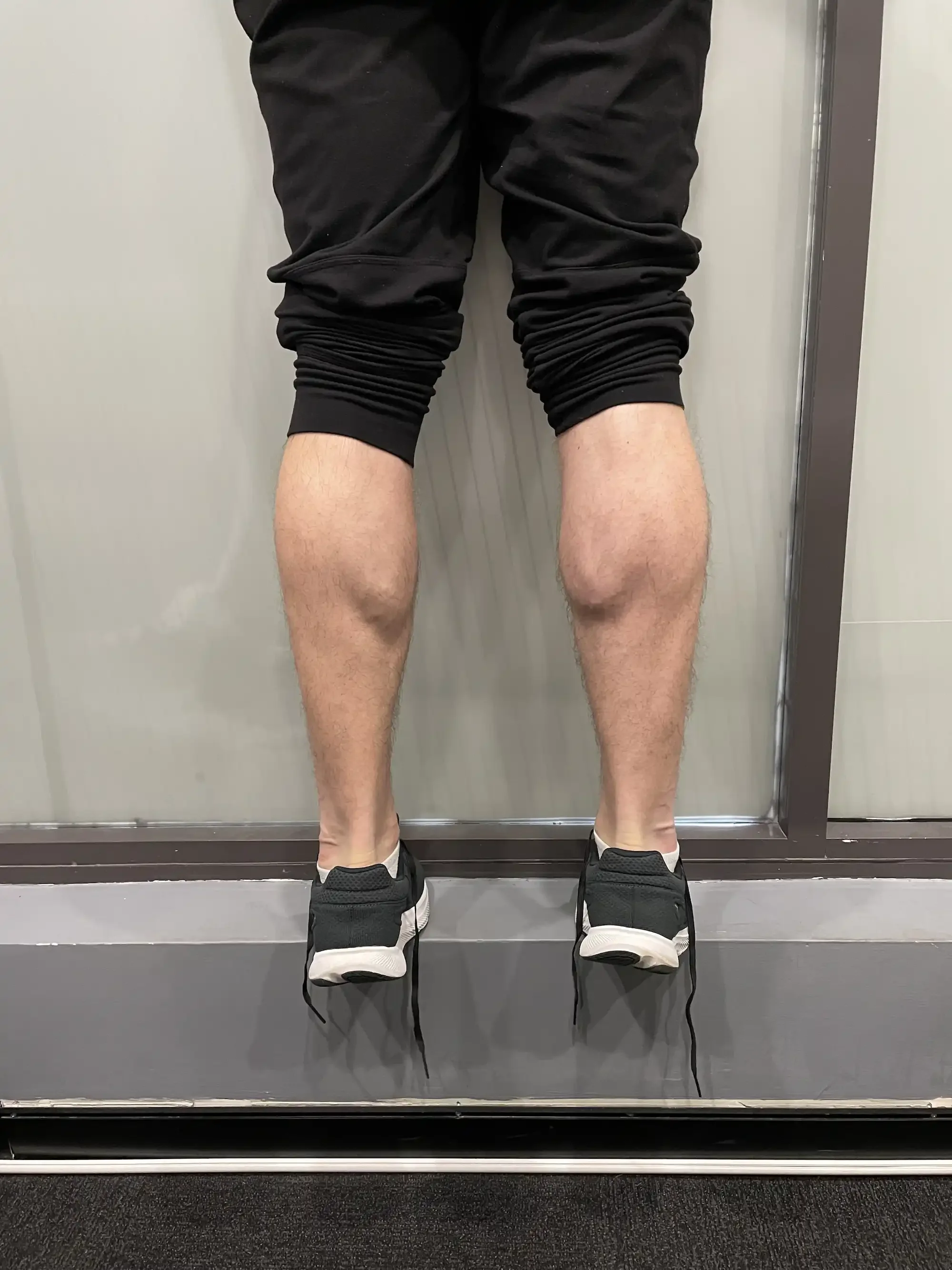
The Achilles tendon is the largest and strongest tendon in the body, connecting the calf muscles to the heel bone. It’s essential for walking, running, and jumping. Due to its relatively poor blood supply, it is susceptible to injury and slow to heal.
Achilles injuries vary from overuse injuries (tendinopathy) which usually develop gradually over time to sudden traumatic tears (ruptures). Common risk factors include a sudden increase in activity, tight calf muscles, obesity, high blood pressure, improper footwear and age (such injuries are most common in ages 40 to 60).
Achilles ruptures often require surgery or at least a period of immobilisation in a walking boot. A full rupture can require anywhere from 6 to 12 months of physiotherapy to get back to full function while for tendinopathy, a recovery period of between 2 and 6 months is not unusual.
At Bondi Platinum Physio, we will identify ruptures quickly, act urgently to treat pain and advise you on the necessary scans and specialist treatment. If surgery is required, we guide you through that process both before and after surgery until you are back on your feet.
If your injury is tendon degeneration, a full clinical assessment will identify the injury mechanism and source of pain. Assessing hip and knee function as well as the heel and foot will identify biomechanical contributions and muscle imbalances. We create a careful clinical rehabilitation program to restore functionality and repair the tendon.
-
What you’re feeling
A sudden sharp pain at the heel – sometimes with a ‘pop’ – may indicate a ruptured tendon. It’s often accompanied by swelling and followed by difficulty walking and significant weakness.
Tendinopathy involves a more gradual onset of localised pain, swelling and stiffness in the heel or lower calf. Often it eases with movement but returns after activity. Pain is often worse in the morning getting out of bed.
-
What can cause it
Ruptures typically occur when the tendon at the heel is stretched beyond capacity during activity, particularly during acceleration or deceleration or pivoting movements.
Achilles tendinopathy is usually due to overuse of the tendon or a sudden increase in the stress placed on the tendon such as when increasing the load or training intensity while running.
Both athletes and non-athletes can experience degeneration or inflammation of the Achilles tendon. Contributing factors include age, weight, a lack of flexibility, poor stance (pronation of the foot) and poor footwear.
-
What you need to know
A complete rupture may require surgery but also can be treated conservatively.
Tendinopathy isn’t just experienced by athletes.
A program of steady rehabilitation is key because rushing back to activity just because the pain has eased can delay a full recovery. If you have pain in your Achilles tendon, try not to stretch your calf for relief.
-
How we help
We treat your injury with urgency, empathy and skill. We are not just committed to repair and recovery, we go beyond that to focus on your lifestyle, your priorities and your activities. Your physio will work with you not just to get you active again but to build strength and resilience so you can enjoy an active life while avoiding a repetition of the injury.
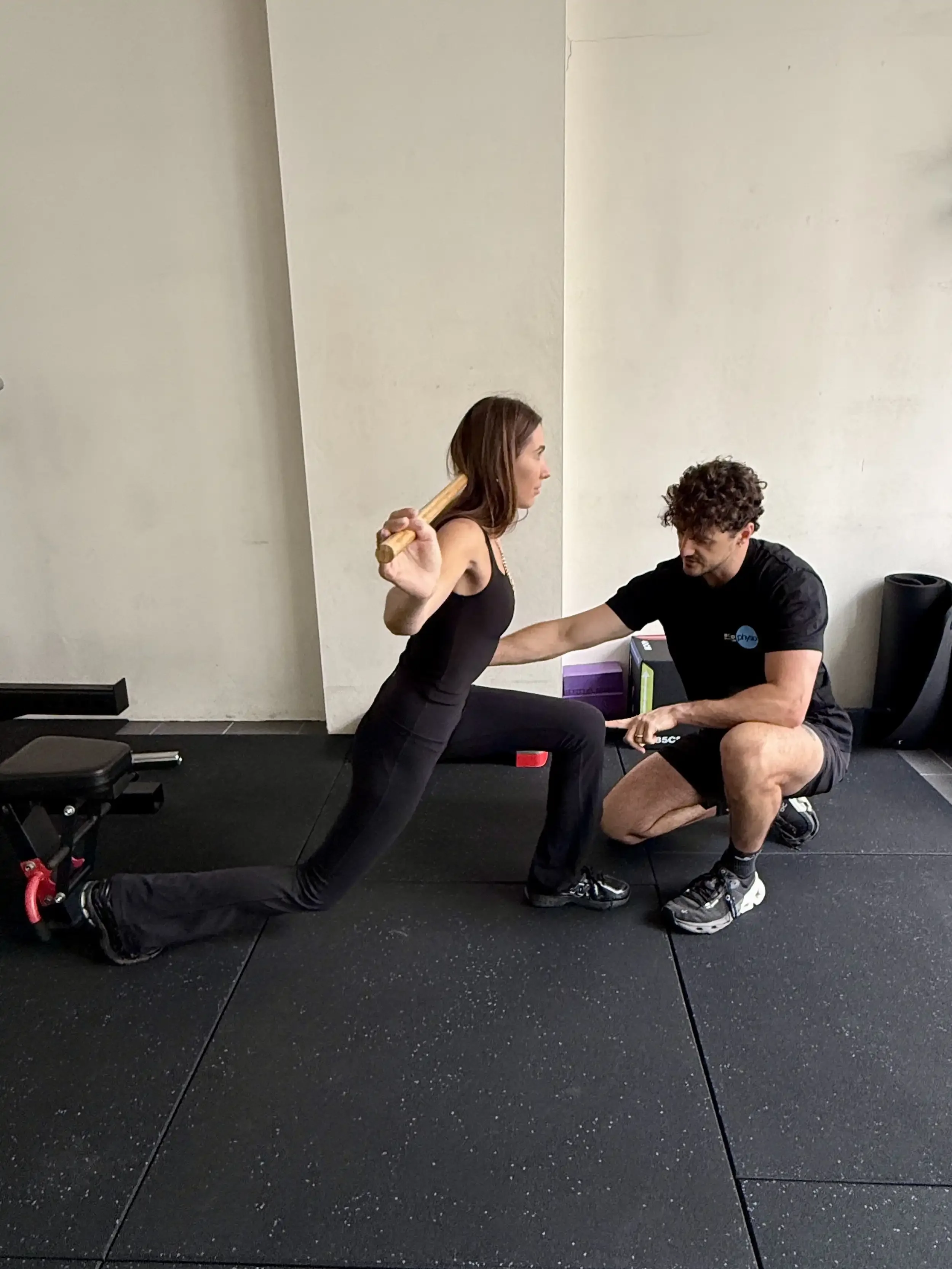
We build bodies that don’t break.
We understand your body not just your injury. Expert physiotherapy focussed on lasting results. Healthier. Stronger. Happier.