
Wrist RSI
An overuse condition where continuous repetitive movement causes micro-trauma to the wrist tendons, muscles and nerves resulting in pain, stiffness or discomfort.
Repetitive Strain Injury (RSI) of the wrist is a common condition which develops gradually when the physical demands placed on the wrist exceeds its ability to recover and adapt.
The associated wrist pain ranges from dull ache to a burning or throbbing sensation, sometimes accompanied by a tingling sensation or numbness. Swelling and stiffness can also be present as well as a weak grip.
Wrist RSI is generally caused by repetitive movements and is often seen in trades where the use of heavy or power tools is required, desk jobs with extensive computer use and sporting activities which involve gripping clubs or racquets.
Bondi Platinum Physio conducts a comprehensive assessment to identify the specific muscles, tendons and tissues affected and the movements causing the strain. We work out how your workplace ergonomics and athletic technique contribute to your condition and advise how to refine and adapt these to reduce the strain on your wrist.
Manual therapy such as soft tissue release helps reduce tension and pain on the over- worked muscles. A specific home exercise program tailored to your needs will be provided and you will be shown how to make your wrist functionally stronger, so it doesn’t ache during repetitive activity.
-
What you’re feeling
Pain ranging from a dull ache to a burning or throbbing sensation. Tingling or numbness into the wrist and fingers is also common. You are likely to experience functional weakness when trying to open jars or lift heavy objects. Pain can come at random times: it can be very sore some days, and not others.
-
What can cause it
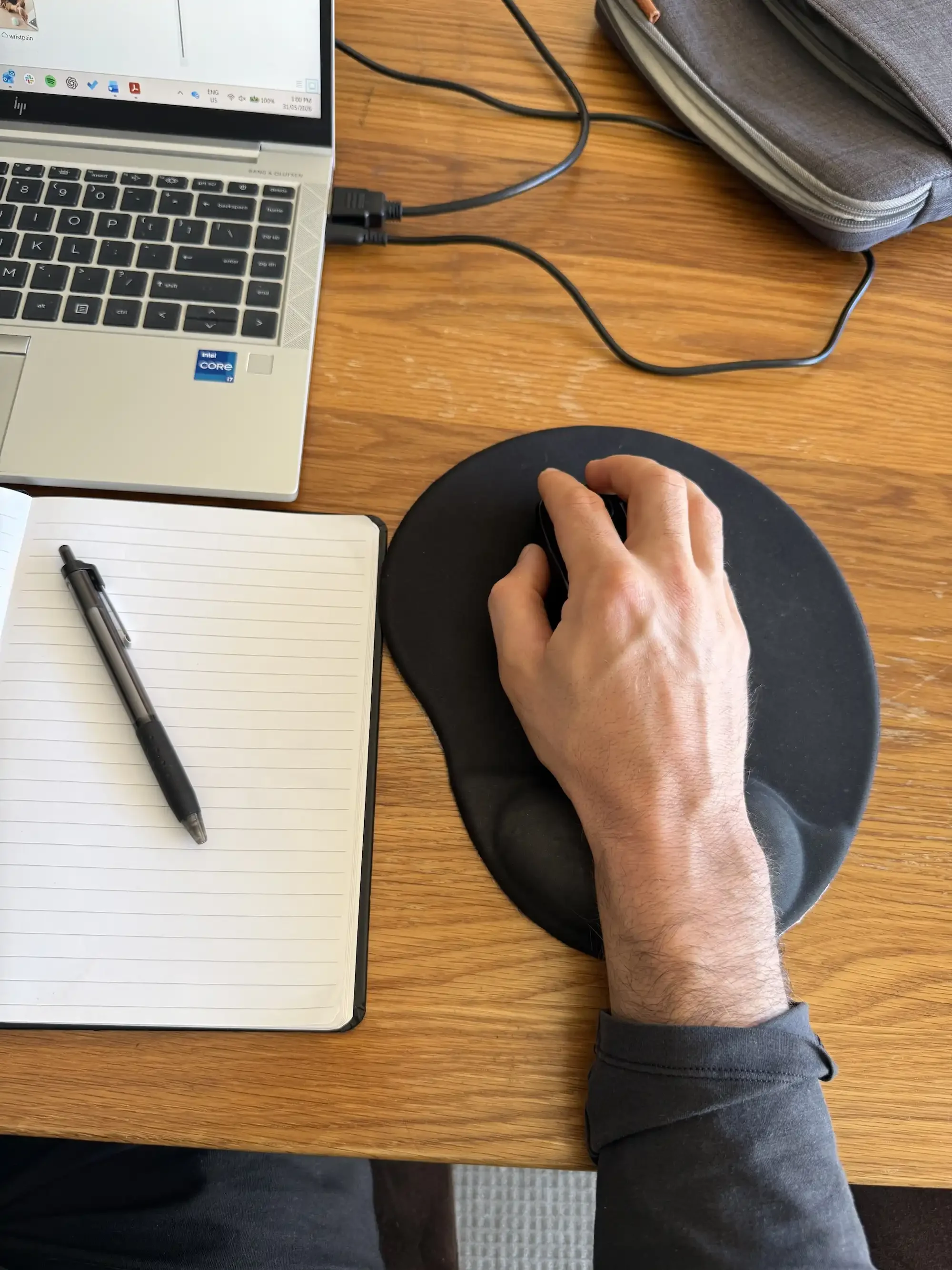
RSI develops gradually when the physical demands placed on your wrist through repetitive movement exceed the ability of the tissues in the wrist to recover and adapt. It can be due poor workplace ergonomics, prolonged gripping postures (holding a mouse or a power tool) or activities involving force or vibration through the wrist (swinging a golf club or using hand tools).
-
What you need to know
While wrist RSI doesn’t mean giving up the job or sport that’s causing pain, but you will probably have to change the way you work or play.
Pain and numbness in the fingers can also be caused by Carpal Tunnel Syndrome, so a proper clinical assessment is essential.
The 20-20 rule can help to avoid a recurrence – take a 20 second break every 20 minutes.
-
How we help you
Treatment is a combination of in clinic treatment, ergonomic advice and a home exercise program, all aimed at strengthening the injured tissues to withstand that repetitive movement without causing you pain. We can organise and fit suitable braces and orthoses to help you continue to work while injured.
We build bodies that don’t break.
We understand your body not just your injury. Expert physiotherapy focussed on lasting results. Healthier. Stronger. Happier.