
Degenerative Disc Disease
Age related changes in the discs of the spine causing pain, stiffness and reduced movement in the lower back or neck.
Degenerative disc disease is the natural wear and tear of the discs of cartilage between the vertebrae of your spine over time. These discs act like cushions between the bones in your back, helping absorb shock and allow smooth movement. As we age, the discs can dehydrate or lose some of their fluid. They become less flexible, meaning they don’t cushion the spine as well as they used to.
These discs are made of the inner nucleus pulposes which is a gel-like substance and an outer border or annulus fibrosis, which is innervated or connected to nerves, so that when it is injured, it can be quite painful.
This condition commonly affects the cervical (neck) and lumbar (low back) regions of the spine because these regions move quite a bit, resulting in greater wear. The thoracic (mid back) area is stabilised by the ribcage, so it moves less and the cartilage doesn’t degenerate at the same rate.
In the early stages, there may be minor tears in the affected discs and joint changes. Later the discs compress and lose height which leads to spinal instability. If left untreated, bony growths can form causing nerve compression and stiffness. In rare cases, severe disc degeneration can require surgery such as spinal fusion or artificial disc replacement.
The natural wear and tear on your spinal discs can contribute to other medical conditions such as disc herniations, nerve root impingement, facet joint dysfunction and spinal stenosis. All these issues cause pain and associated stiffness which can be severe.
Fortunately, there’s a lot that physiotherapy can do to help.
-
What you’re feeling
Your neck or lower back is stiff and sore. You might also feel pain, tingling, numbness or weakness radiating down your arms and legs. The pain can range from a nagging pain to one that is completely disabling. It often becomes worse when sitting, bending or twisting.
-
What can cause it
With age, the discs in your spine lose fluidity and become less flexible. This can have the result that they don’t cushion the spine as well as they should leading to joint changes, instability and nerve compression.
Other contributing factors include a sedentary lifestyle, smoking, obesity, poor nutrition or poor posture. People who engage in repetitive strain activities such as high impact sports or physically demanding jobs can be at higher risk.
-
What you need to know
It’s not actually a ‘disease’ but occurs as a normal part of aging. However, it’s important to know many people experience these changes without any pain or symptoms and treatment can make all the difference in how you feel.
The degenerative process may have been occurring over a long time, and recovery times can be similarly slow although still very positive.
Swimming and maintaining a healthy weight reduces the pressure on your spine and the severity of this condition.
It’s important to try managing this condition conservatively with physiotherapy before turning to surgical opinions.
-
How we help you
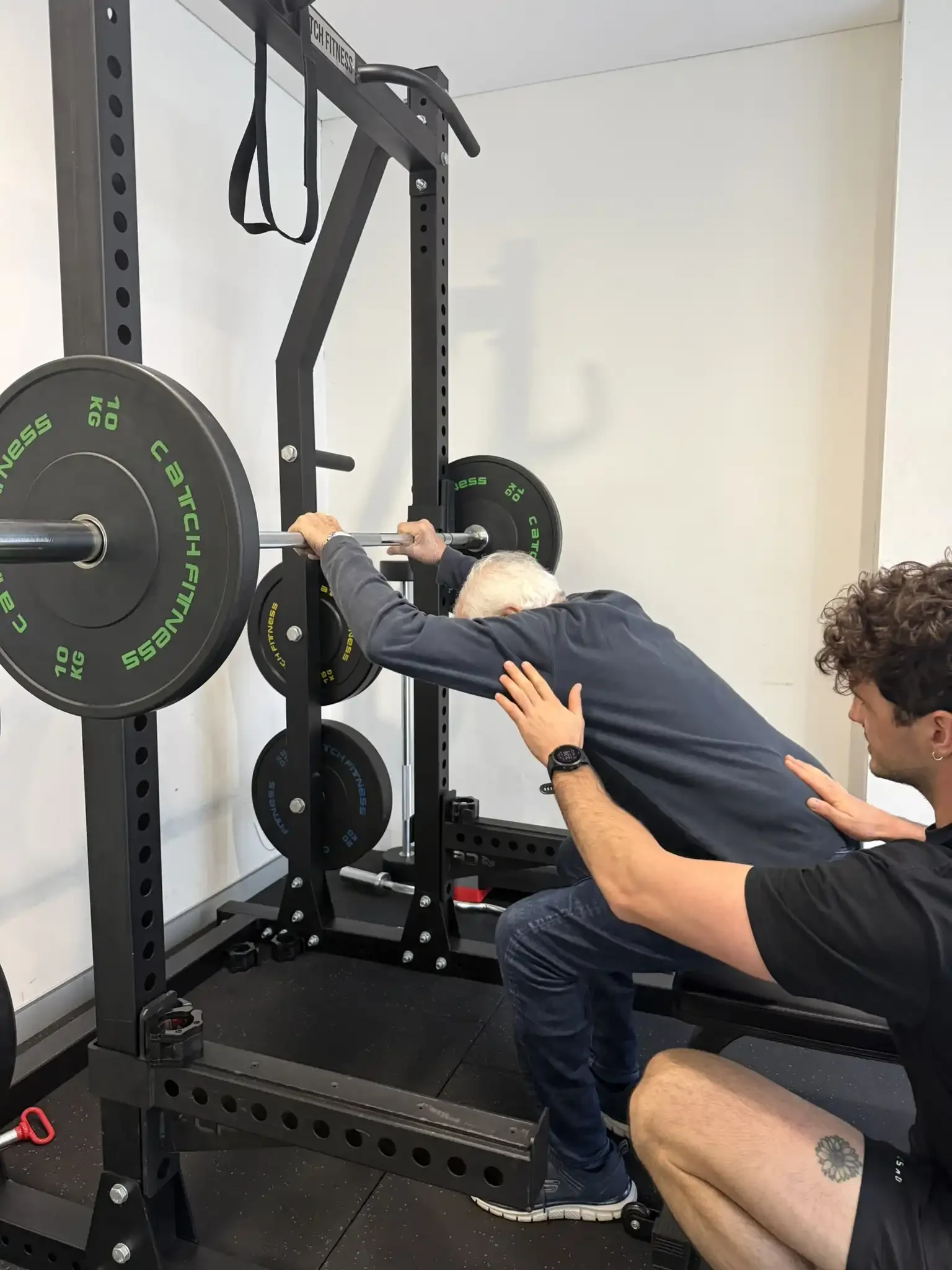
Our expert physios at Bondi Platinum Physio undertake a thorough assessment to identify the source of your pain, followed by a personalized treatment plan to reduce the ongoing pressures on your spine. We help you to stay active, build strength, improve posture and develop good movement habits which all help to support your spine and ease your symptoms over the longer term.
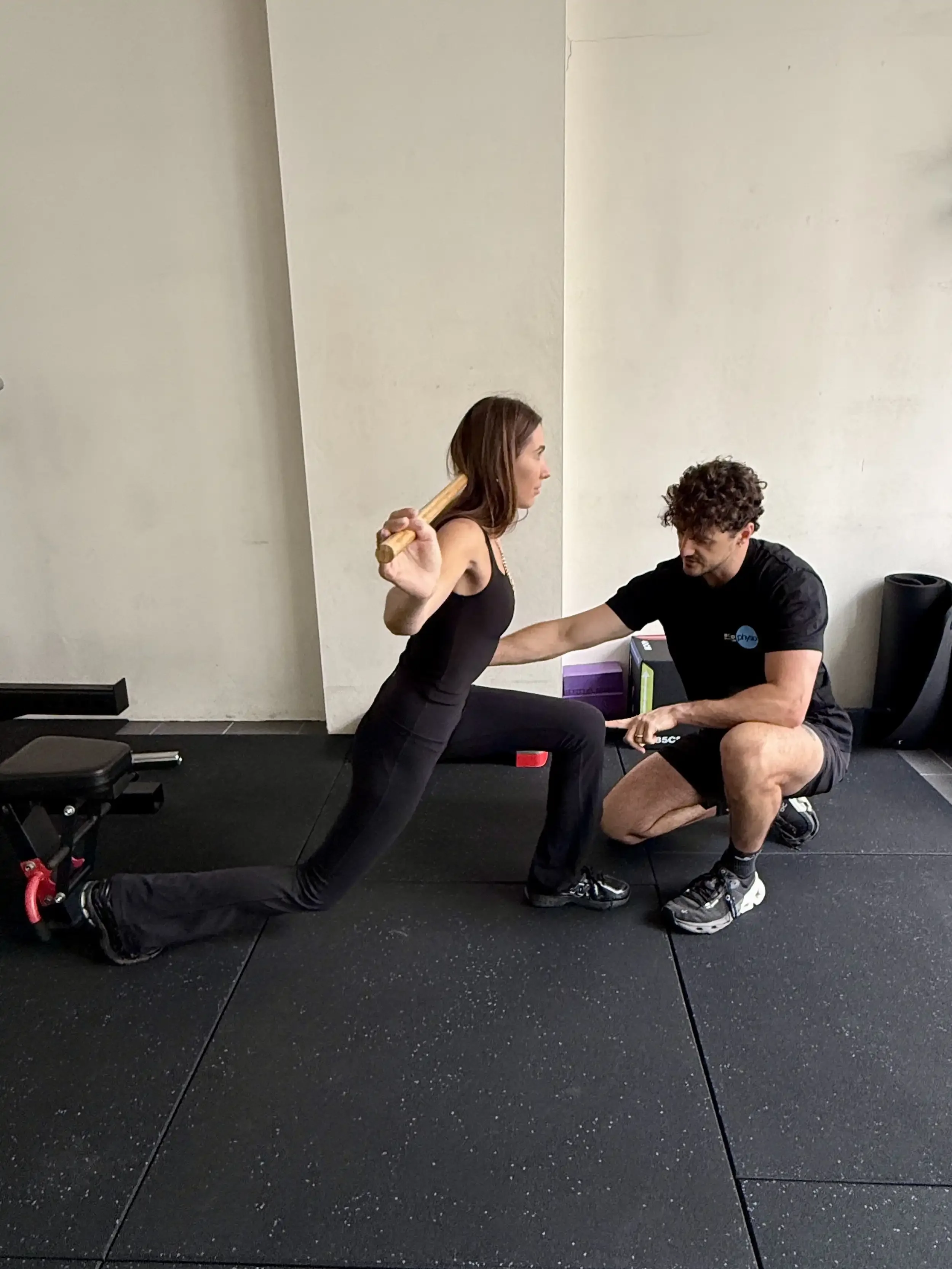
We build bodies that don’t break.
We understand your body not just your injury. Expert physiotherapy focussed on lasting results. Healthier. Stronger. Happier.