
Lower Back Pain
Back pain can be frustrating, worrying and at times overwhelming, but the good news is that most people with lower back pain do improve.
Lower back pain is just about the most common and complex musculoskeletal condition. It’s often non-specific meaning it can’t be attributed to a specific pathology or cause. It’s important to get expert advice early on to identify what’s driving the pain and how to manage it.
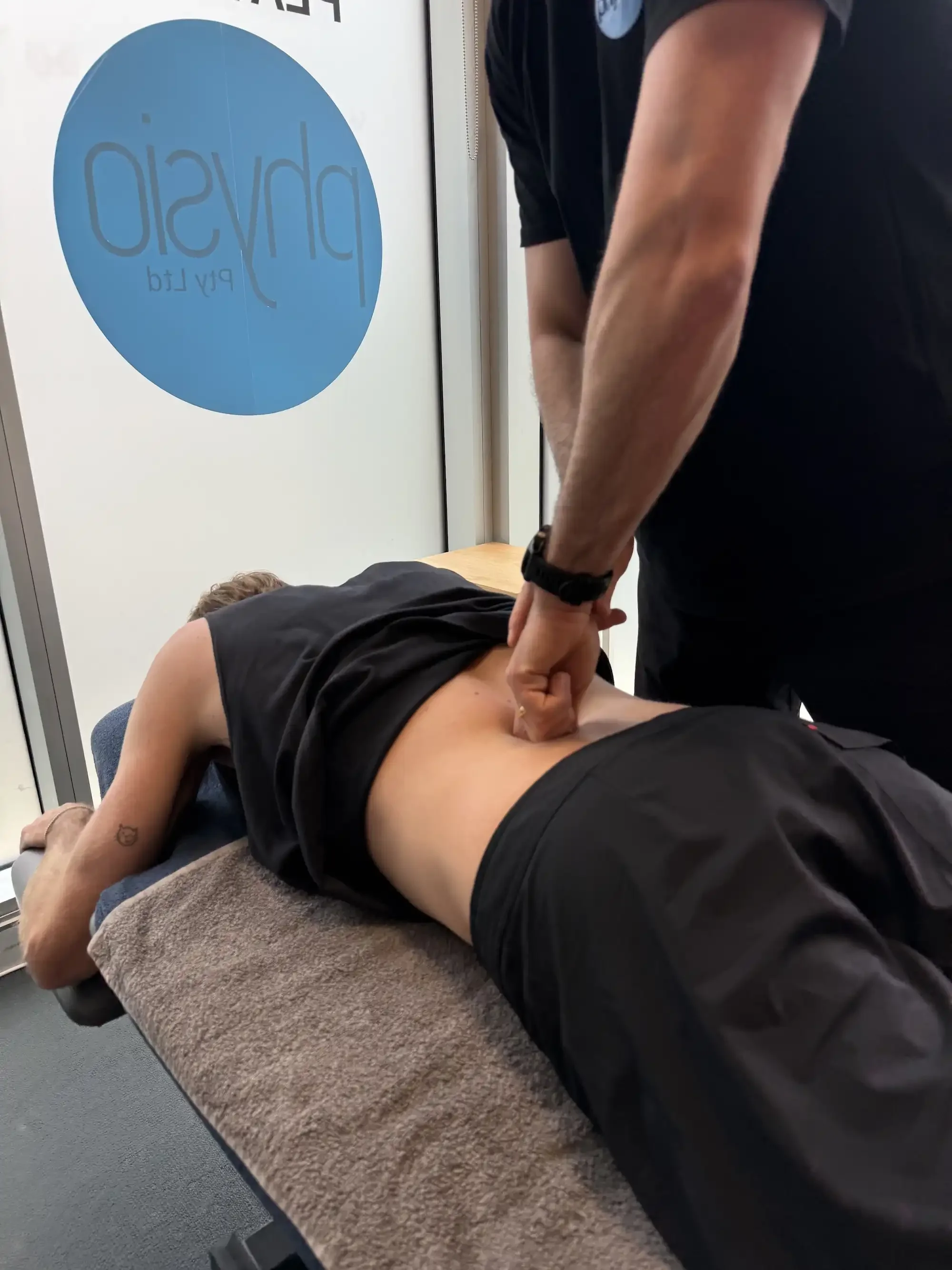
Your physio will help you manage your pain and design a treatment plan for you. The most important first steps are a gradual return to normal movement and exercise under expert guidance. Other non-drug treatments, such as heat, massage, acupuncture or mindfulness-based strategies, may also be helpful but are unlikely to address the root cause.
At Bondi Platinum Physio, we don’t just treat pain, we help you understand your body, reduce fear and build the resilience needed to get back to living, working and moving well for the long term.
-
What you’re feeling
Lower back pain can present as a dull ache, sharp discomfort or stiffness through the lower spine. Symptoms may increase with prolonged sitting, bending or lifting, or just irritate you at night, and can sometimes spread into the hips or down the legs.
It’s also common for back pain to fluctuate, feeling manageable some days and harder to bear on others. Either way, back pain compromises daily activity and physical function.
-
What can cause it
Lower back pain needs expert assessment as there arevarious causes, including disc-related issues, nerve irritation, inflammatory or infectious conditions and, less commonly, more serious spinal pathology. Other factors like general health, anxiety and frustration, low self-esteem or the conviction that there is permanent damage can also play a role in persistent or reoccurring pain.
-
What you need to know
Unless very serious pathology is identified, current Australian guidelines recommend starting treatment for lower back pain under professional guidance with reassurance, education and staying active. Medication is generally not recommended as a first option and should be taken at the lowest effective dose and for the shortest time possible.
-
How we help you
Careful assessment provides us with a clear understanding of what’s driving your symptoms, and then we can design a tailored plan for you that focuses on movement, strength and confidence, so that recovery is not only possible, but likely.
References:
Almeida, M., Saragiotto, B., Richards, B. and Maher, C.G., 2018. Primary care management of non-specific low back pain: key messages from recent clinical guidelines. Medical Journal of Australia, 208(6)
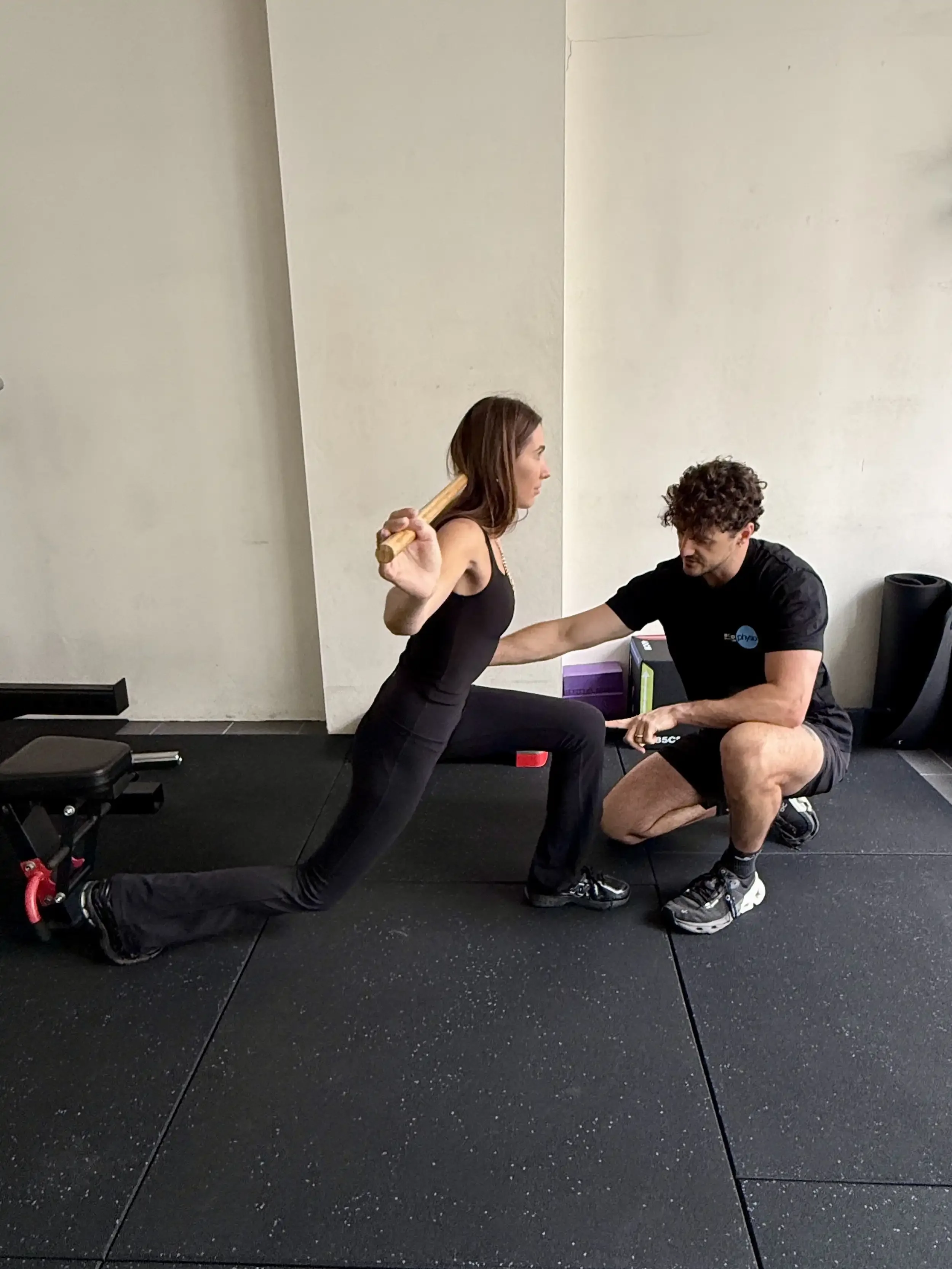
We build bodies that don’t break.
We understand your body not just your injury. Expert physiotherapy focussed on lasting results. Healthier. Stronger. Happier.