
Tennis Elbow
Also known as lateral epicondylitis, this condition is common in people playing racquet sports and leads to pain around the outside of the elbow.
This painful condition is typically (but not always) caused by overuse of the tendons and muscles on the outside of the elbow. Repetitive wrist and arm motions can lead to tears or degeneration where the tendons of the forearm muscles attach to the bony bump on the outside of the elbow (lateral epicondyle).
Tennis elbow is commonly experienced by people aged between 30 and 50 but can be seen across all age groups. While playing racquet sports increases the risk, it’s also frequently seen in people with jobs that involve repetitive wrist and arm actions such as plumbers, painters and chefs. Computer use and gardening are other activities that can damage the forearm tendons.
Unfortunately, tendons are very slow to heal due to their very limited blood supply, meaning fewer nutrients and less oxygen for repair. As with all tendons, rest alone will not usually fix the problem, and recovery is often slow.
Early intervention is crucial. The longer you are suffering from tennis elbow without treating it, the longer it will take to go away. Typical recovery times are 8 to 12 weeks but it can also take much longer – particularly if you’ve had symptoms for a while before seeking expert treatment.
Avoid a longer recovery by seeing our physios as soon as the pain starts
-
What you’re feeling
Grip weakness and pain around the outside of the elbow and forearm close to the elbow. The pain is often felt when gripping (shaking hands or opening doors), lifting (especially with an extended arm) and twisting (opening jars)
Pain can travel from the elbow to the forearm and wrist.
-
What can cause it
Tennis elbow is typically caused by overuse of the tendons and muscles on the outside of the elbow, usually due to repetitive wrist and arm actions. It can also occur without any obvious overuse or after an acute trauma (direct blow) to the elbow.
-
What you need to know
Many people who get tennis elbow don’t play tennis.
Damaged tendons will not heal through rest alone (even if that reduces the pain in the short term).
Recovery is slow. Finding the right balance between activity and recovery is key, as tendons require gradual loading to improve.
-
How we help you
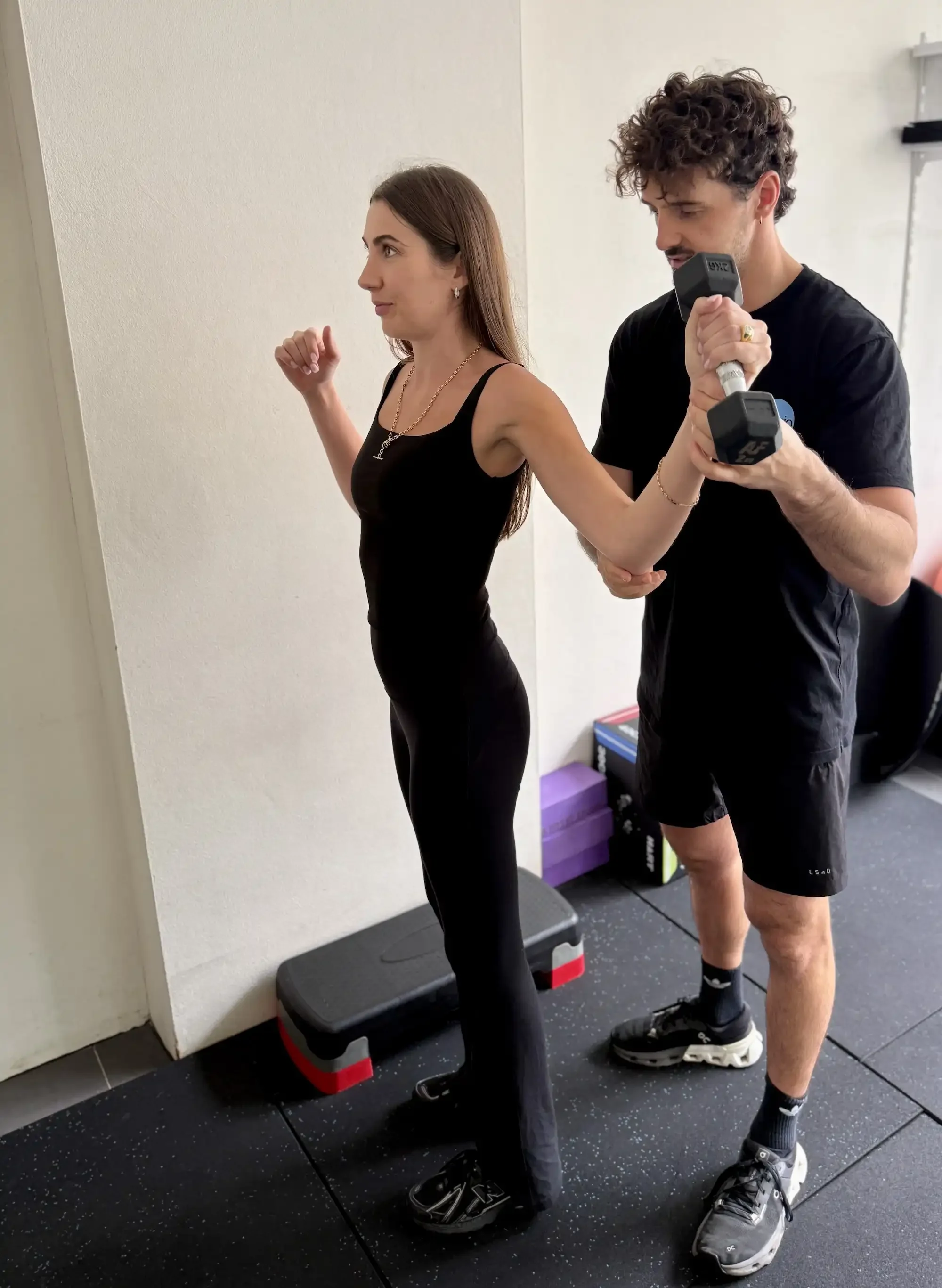
After a careful assessment to rule out any other potential causes of your elbow pain, treatment focuses on reducing the strain on the forearm tendons to facilitate the repair process.
This involves a targeted program of progressive load management which rests the tendon from aggravating activity while gradually rebuilding strength and capacity. We help you understand the do’s and don’ts so you don’t slow your healing time by guessing what activities you can still do when injured.
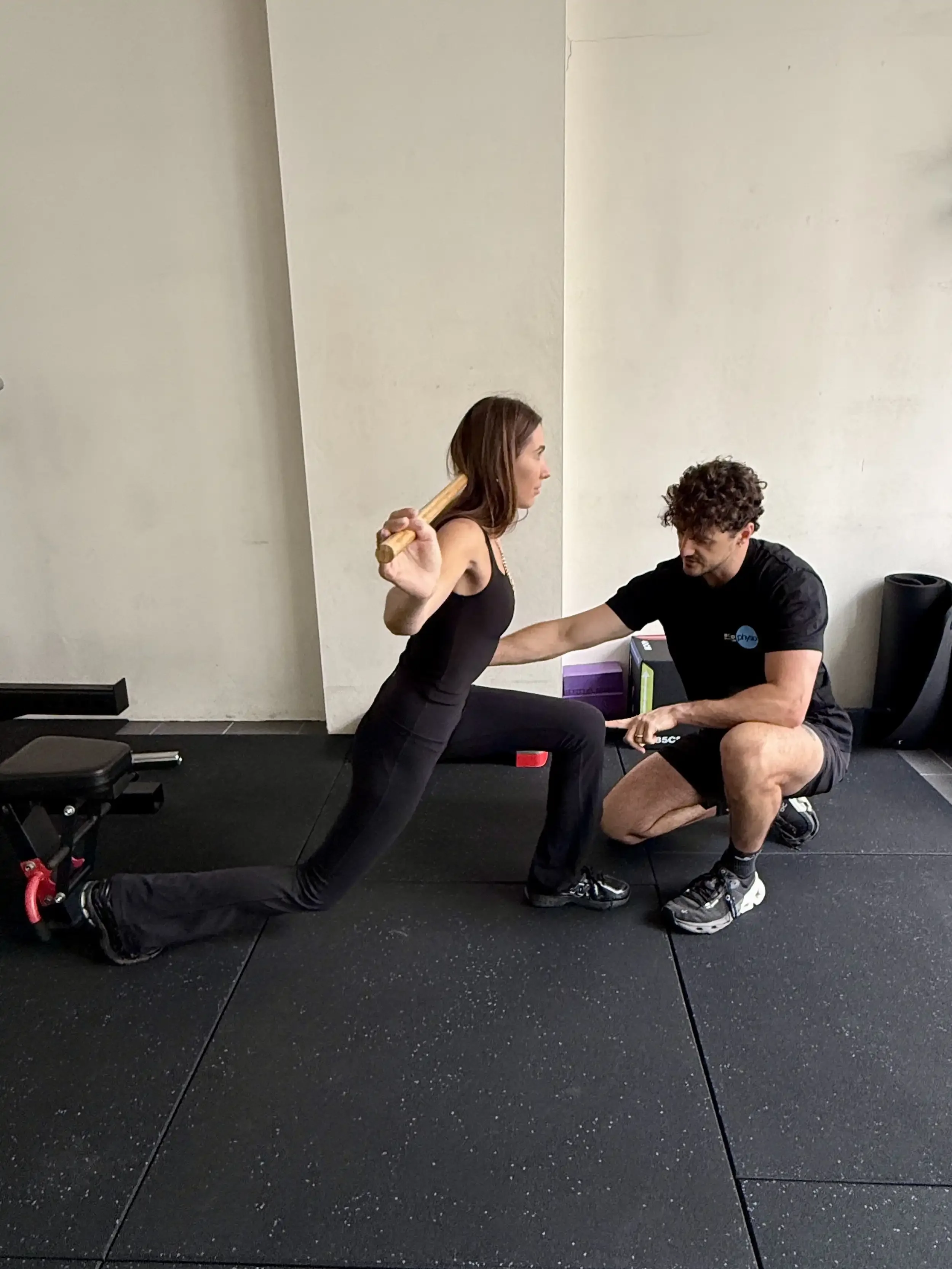
We build bodies that don’t break.
We understand your body not just your injury. Expert physiotherapy focussed on lasting results. Healthier. Stronger. Happier.