
Runner’s Knee
Patellofemoral pain syndrome describes pain at the front of the knee or around the kneecap (patella) and is commonly seen in runners but can also affect non-runners.
Runner’s Knee is generally an overuse injury, caused by repetitive stress on the knee joint where the patella (kneecap) connects to the lower end of the femur (thighbone). Pain due to stress on this joint often occurs when training loads are increased too quickly. Weak hip or thigh muscles, tight hamstrings, structural defects and foot biomechanics can also play a role. While it usually develops over time, runner’s knee can also be caused by a direct blow to the knee such as from a fall.
Given there are various structural causes of runner’s knee, it needs careful clinical diagnosis.
At Bondi Platinum Physio, we incorporate a range of treatments to get you back leading an active life. Depending on the source of your knee pain, these can include manual therapy such as soft tissue release, load management techniques to incorporate into your training program and strength work.
-
What you’re feeling
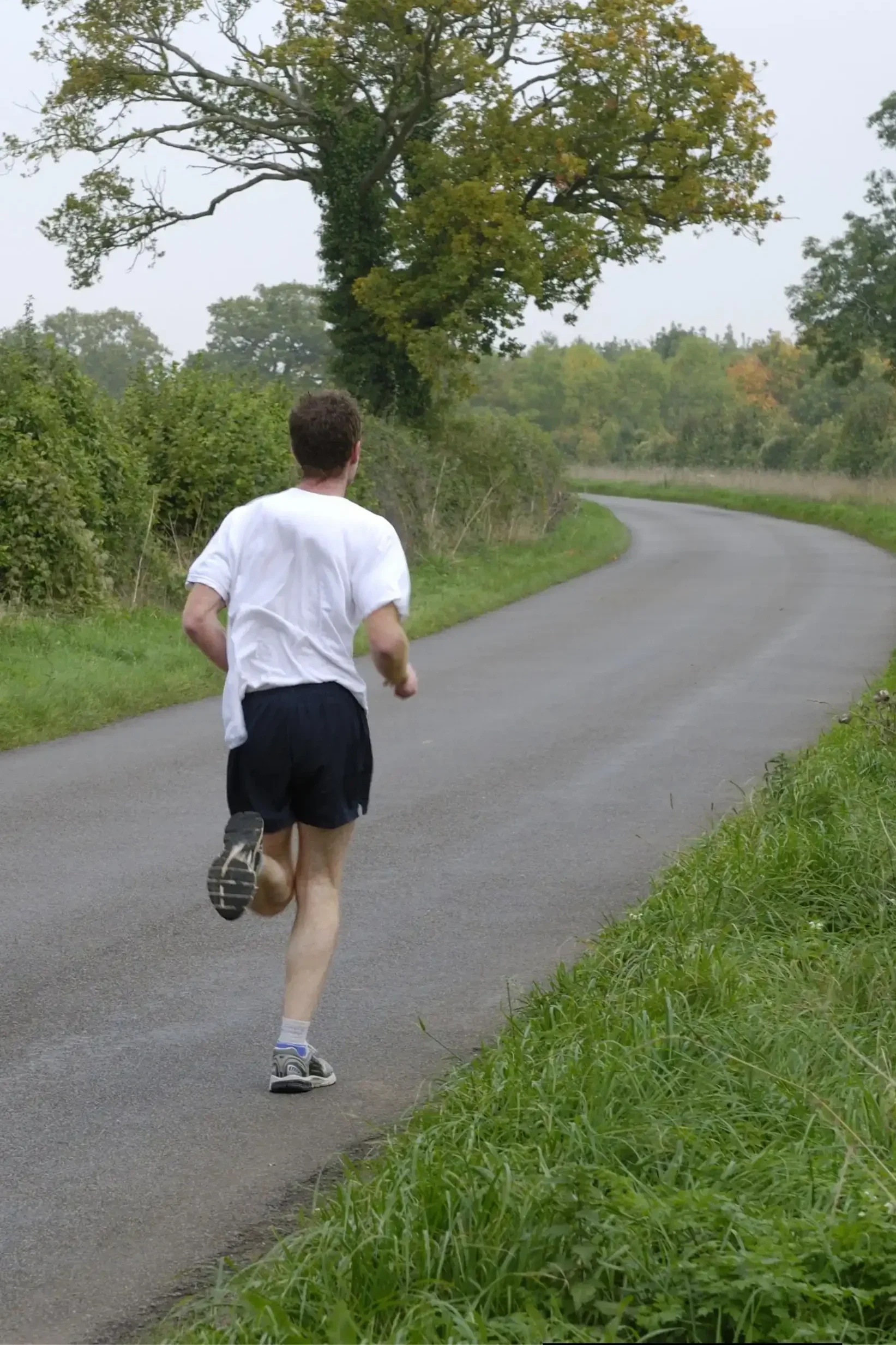
A dull, aching and quite often sharp pain in the front of your knee, usually felt during or after exercise involving repetitive knee bending and knee loading, such as walking and running. The pain is often worse up or down hills or stairs. Pain and stiffness can also be experienced during prolonged periods of sitting.
-
What can cause it
Runner’s Knee is generally an overuse injury. It may be caused by a structural defect or the way you walk or run. It often occurs when running load or activity levels are increased too quickly. Other contributing factors may include muscle imbalances or weakness, biomechanical issues, patellar malalignment or poor foot support. A direct blow to the knee can also cause runners knee.
-
What you need to know
Runner’s Knee is unlikely to get better unless the underlying factors are addressed.
The good news is that complete rest is not always necessary, although if you are a runner, it is a good idea to not run until you can do so without pain.
-
How we help you
Your physio will do a physical examination and consider your health history. X-rays and other imaging may be needed as part of this evaluation but are not necessary before your first appointment.
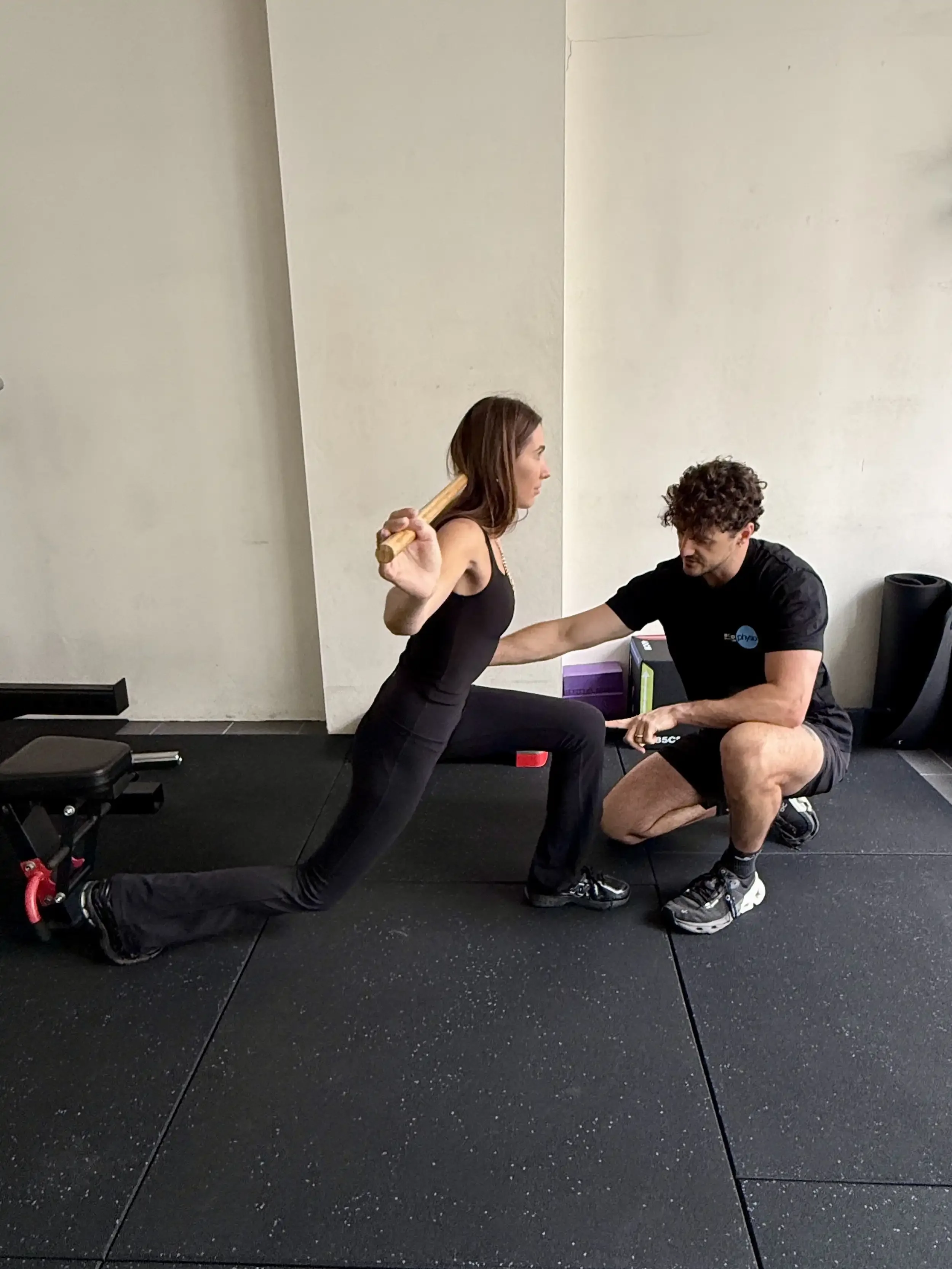
We create a tailored treatment plan for you to deal with the pain first and then to get you back to an active lifestyle. Our physios work with you to build strength and resilience, manage load to the knees and minimise the chances of recurrence.
We build bodies that don’t break.
We understand your body not just your injury. Expert physiotherapy focussed on lasting results. Healthier. Stronger. Happier.