
ACL
A sprain or tear to the key ligament that connects the thigh bone to the shinbone usually experienced during sports involving sudden stops or changes in direction.
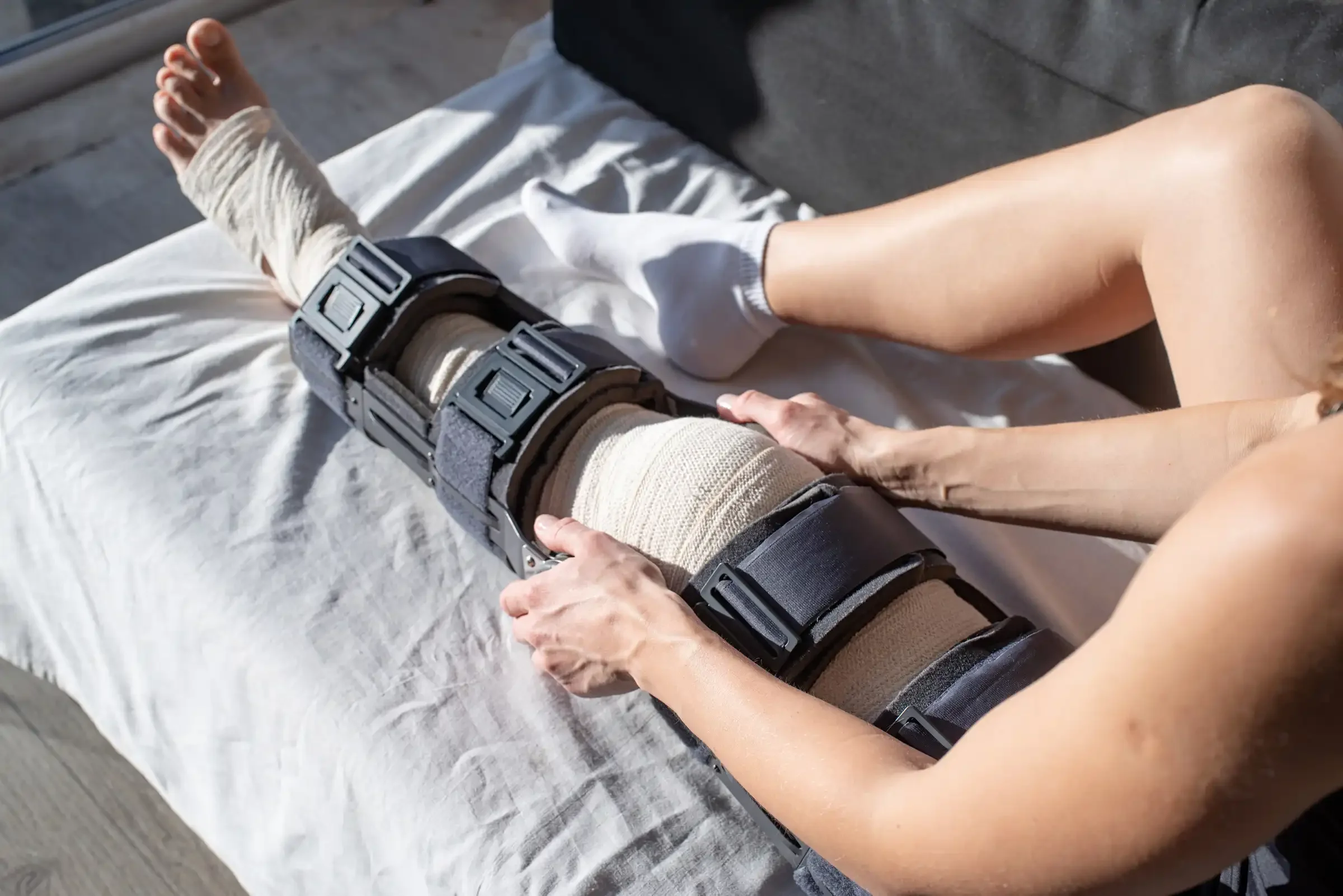
The anterior cruciate ligament (ACL) is the key knee ligament stabilising the knee by preventing excessive forward movement of the shin bone relative to the thigh bone. It prevents knee hyperextension and is vital for cutting, pivoting and sudden directional changes. ACL tears are commonly seen in field sports and in younger populations. They are more common in females due to their larger pelvic bones which result in a greater angle of Valgus (outward bending) force being applied to the knee.
Recovery from a full ACL tear generally takes 6-9 months, with partial tears healing anywhere between 2-6 months depending on the severity. Surgery is often used to repair full tears in young active individuals; however, it’s also possible to make a full recovery without surgery especially in older less active populations. With conservative treatment, the focus is on building muscle strength around the knee to provide added stability that is lacking due to the torn ligament. Partial tears usually do not require surgery although in some cases surgery is considered, especially if a large tear is present.
If you’ve injured your ACL, it’s vital to seek treatment immediately. The knee is a complex structure of bones, ligaments, tissues and tendons and failure to get expert advice can lead to chronic pain and a greater risk of re-rupture. The Cross-Bracing Protocol (conservative management of a full rupture) will only work if you get professional advice as soon as possible after injury.
At Bondi Platinum Physio, our expert physios will provide a prompt and accurate diagnosis and a careful treatment plan. If you need surgery, we work with your surgeon both pre and post-surgery to ensure that your rehabilitation is effective and long-lasting: we want you back playing the sports you love! It’s really important to get good advice with this injury as it can give you problems down the track if dealt with ineffectively.
-
What you’re feeling
An acute rupture may involve an audible ‘pop’ from the knee followed by severe pain and significant swelling of the knee within a couple of hours, as well as limited range of motion and a feeling of instability or the knee “giving way’. Sometimes a full rupture is results in very little pain as the nerves are no longer connected. If your knee is giving way when you’re walking, see a physio as soon as possible to prevent further damage.
-
What can cause it
ACL injuries are common in sports involving sudden stops or changes in direction (soccer, basketball, football and downhill skiing) but can also be the result of a direct blow to the knee. They usually occur during a sudden directional change, while pivoting with a planted foot or landing awkwardly from a jump.
-
What you need to know
Women are three times more likely to injure their ACL than men due mainly to anatomical differences of the pelvis.
People who experience an ACL injury and don’t get expert treatment have a higher risk of later developing osteoarthritis in the knee.
If you play sports such as soccer, football, basketball, gymnastics and downhill skiing, preventative physiotherapy is recommended to strengthen the knees and reduce the risk of injury.
-
How we help you
We design a bespoke treatment and rehabilitation plan for you – including where surgery is needed as if you’re having surgery, we need to get your knee is as strong as possible beforehand as clinical evidence shows that this leads to improved outcomes post-surgery.
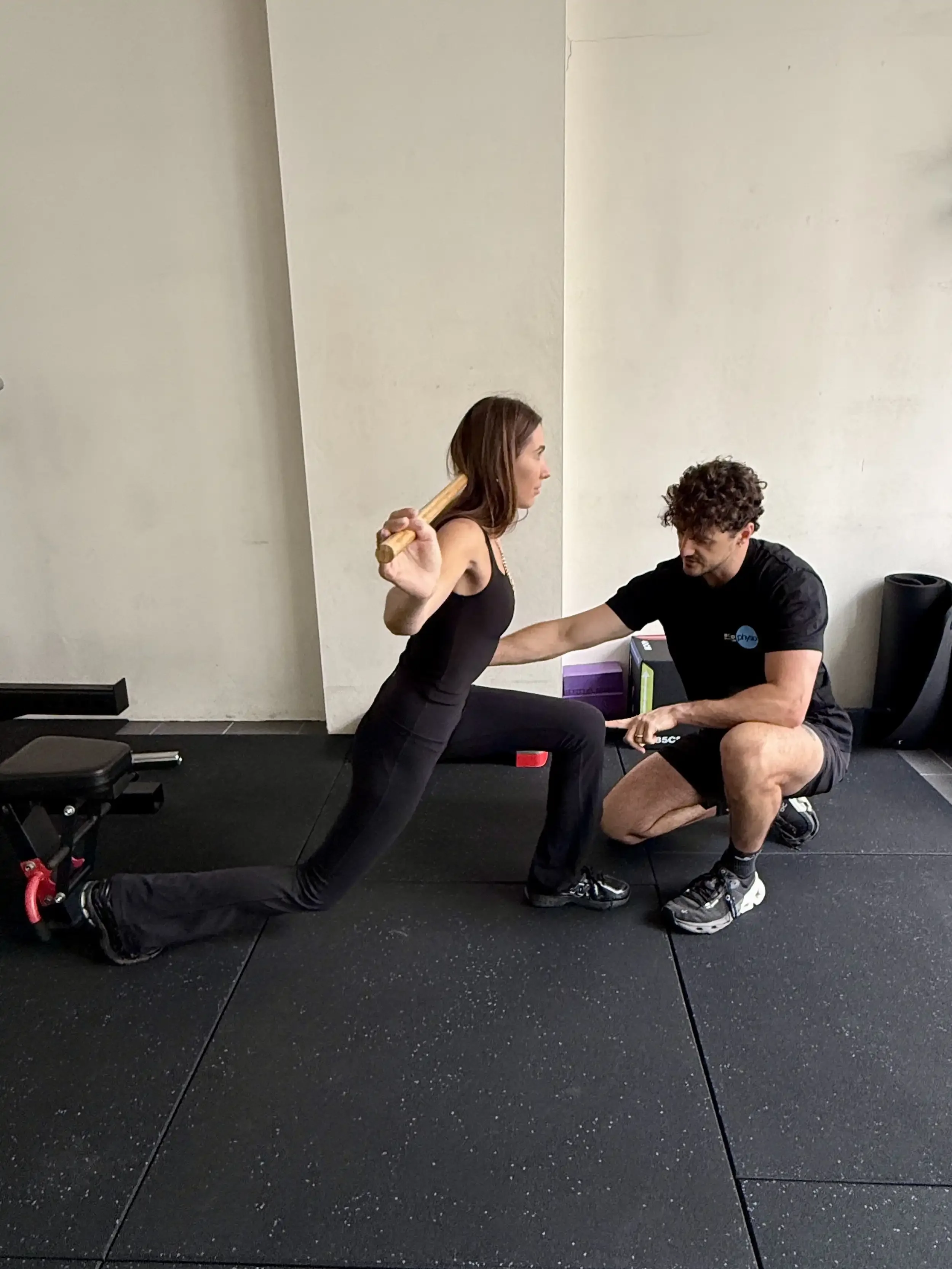
Rehabilitation and recovery requires a carefully staged combination of exercises to strengthen the core, hip and leg muscles, as well as training to improve jumping and landing and pivoting techniques. Expert physio advice ensures that you progress through the stages of rehabilitation at just the right pace – it’s not so much a matter of time but whether your body has achieved specific markers and targets so that it’s ready to move to the next stage.
We ensure you are performing the right exercises with the right technique for a safe recovery. We really don’t want you to have this injury again, so preventative rehabilitation is a major focus.
We build bodies that don’t break.
We understand your body not just your injury. Expert physiotherapy focussed on lasting results. Healthier. Stronger. Happier.