
Shoulder Pain
There are a wide range of reasons for shoulder pain which can develop either suddenly and traumatically (due to a fall or sporting injury) or gradually over time.
Shoulder pain is extremely common and there are a wide range of causes. Early assessment by your physio can develop the right management pathway from the outset.
The shoulder is one of the most complex joints in the body. It is designed for mobility, allowing a large range of motion in multiple directions, but this comes at the cost of stability. The shallow ball-and-socket structure means the joint relies heavily on surrounding muscles - particularly the rotator cuff and scapular stabilisers - to maintain control and function. As with many areas of the body, there is a trade-off between mobility and stability, and the shoulder sits firmly on the more mobile (and therefore more vulnerable) end of that spectrum.
A key clinical distinction is whether the pain is truly coming from the shoulder itself or being referred from elsewhere, most commonly the neck. For example, pain that is not clearly aggravated by shoulder movement may indicate a cervical spine contribution.
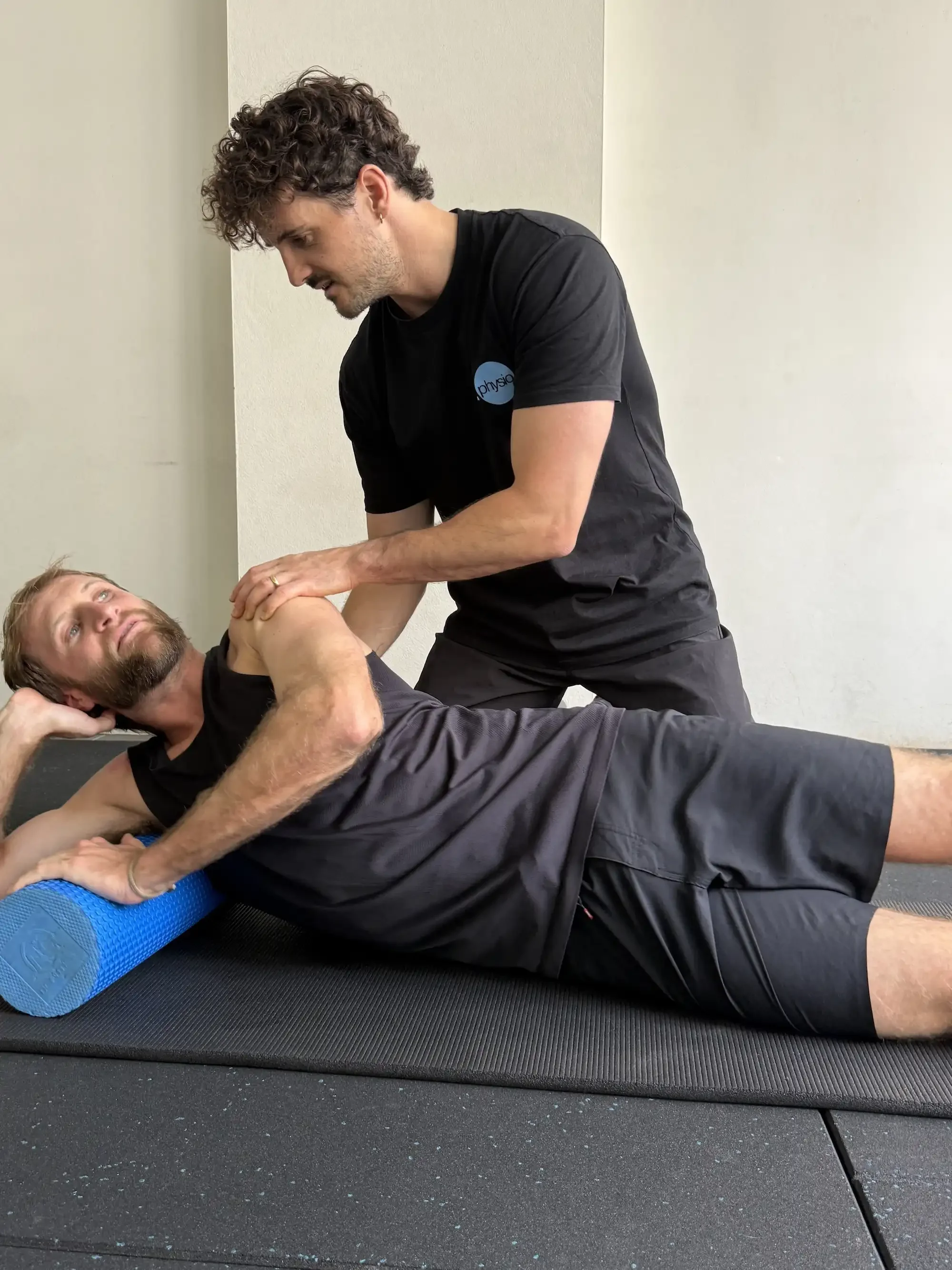
Bondi Platinum Physio can accurately diagnose and manage your shoulder pain. The goal is not just to reduce your pain, but to address the underlying cause – we want you to return to your usual activities with confidence and without fear of it happening again.
-
What you’re feeling
It can be a dull, achy pain felt at rest that can be hard to pinpoint - or maybe a sharp, catching and pinching pain especially with movement. You may experience heavy stiffness and loss of mobility so that you struggle to reach behind your back or lift your arm. Your shoulders might feel and sound clicky, especially when there’s pain present.
-
What can cause it
Shoulder pain can arise due to rotator cuff muscle and tendon issues, frozen shoulder, acromioclavicular (AC) joint irritation, instability or dislocation as well as referred pain from the cervical spine or neck. In rare cases, shoulder pain can be linked to underlying medical conditions, which is why it’s important not to ignore persistent or unusual symptoms.
-
What you need to know
Sometimes shoulder pain is referred pain from another part of the body – so simply treating the area which hurts (for example by repeated massage) may not help if the true source of the problem lies elsewhere. If you’ve had a fall or direct trauma to the shoulder, it is especially important to by a professional assessment.
Generally using the shoulder within comfortable painful limits is ok and complete rest is not advised unless you have had a fracture, trauma or an operation. If you have had surgery, it is important to see a physio once your doctor/surgeon advises you can start rehabilitation.
-
How we help you
Physiotherapy plays a crucial role in accurately diagnosing and managing shoulder pain. A thorough assessment will identify the primary driver of your symptoms, whether local or referred, and guide an effective treatment plan. This typically includes a combination of hands-on therapy for pain relief, targeted exercises to restore strength and control, and education around load management and movement patterns.
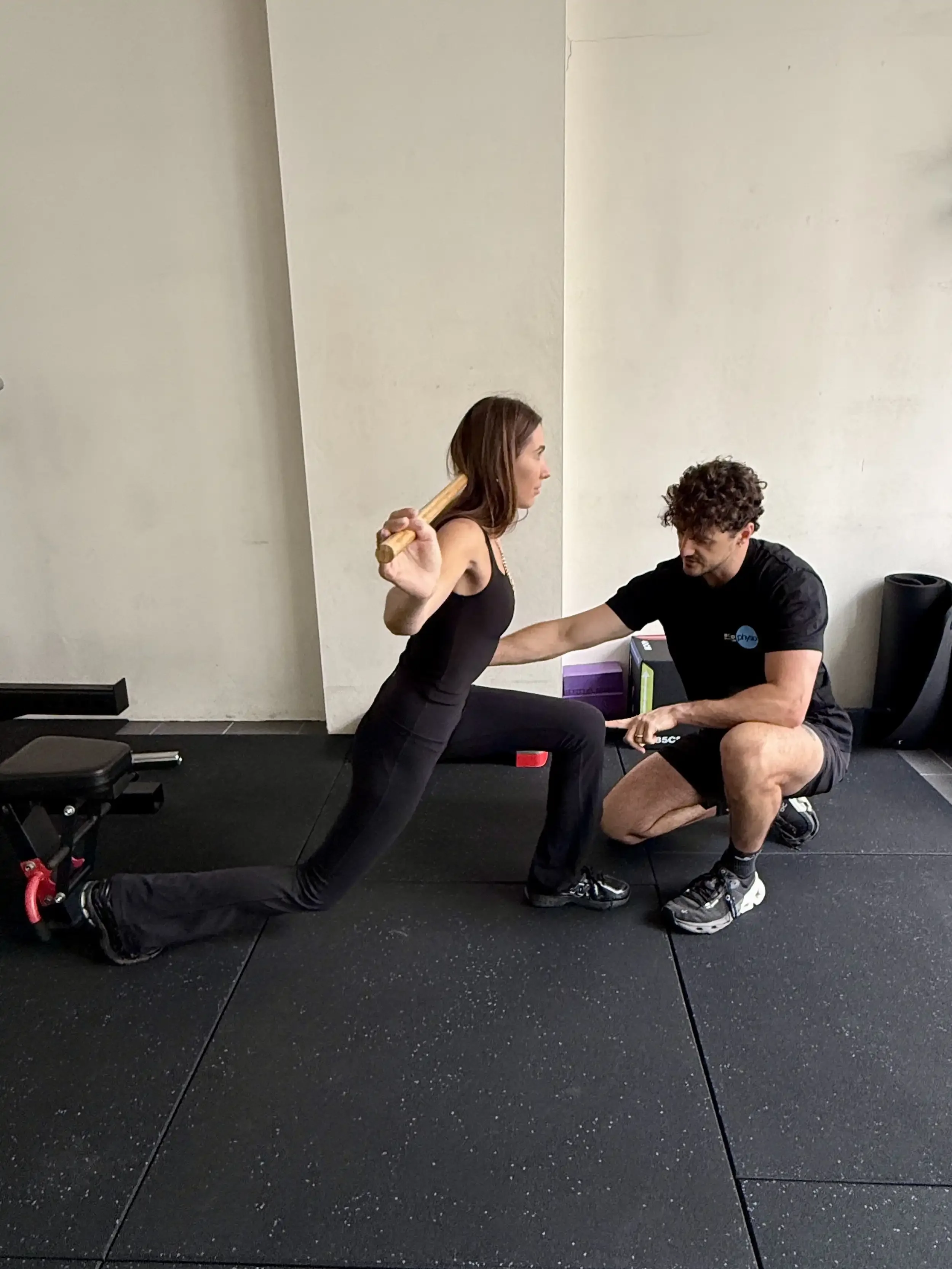
We build bodies that don’t break.
We understand your body not just your injury. Expert physiotherapy focussed on lasting results. Healthier. Stronger. Happier.