
Plantar Fasciitis
Damage to the fibrous tissue (plantar fascia) along the arch of the foot causing chronic pain at the bottom of the foot or heel, often worse in the morning.
The plantar fascia is a thick, fibrous band of connective tissue running along the sole of the foot, connecting the heel bone (calcaneus) to the toes. It is the largest ligament in the foot and helps support the arch of the foot. It also acts as a shock absorber when walking or running. Plantar fasciitis occurs when this tissue is inflamed or torn and is a common, often chronic, cause of pain underneath the heel and foot.
When the plantar fascia structure is overloaded or overstretched, it loses its elasticity and resilience. It can become inflamed, causing sharp, stabbing pain or a bruised feeling under the foot particularly near the heel.
Planta fasciitis tends to be seen mostly in people aged 40-60 but also affects those with relatively high or low arches, people with high body mass and athletes engaged in activities involving repetitive impact to the feet (runners).
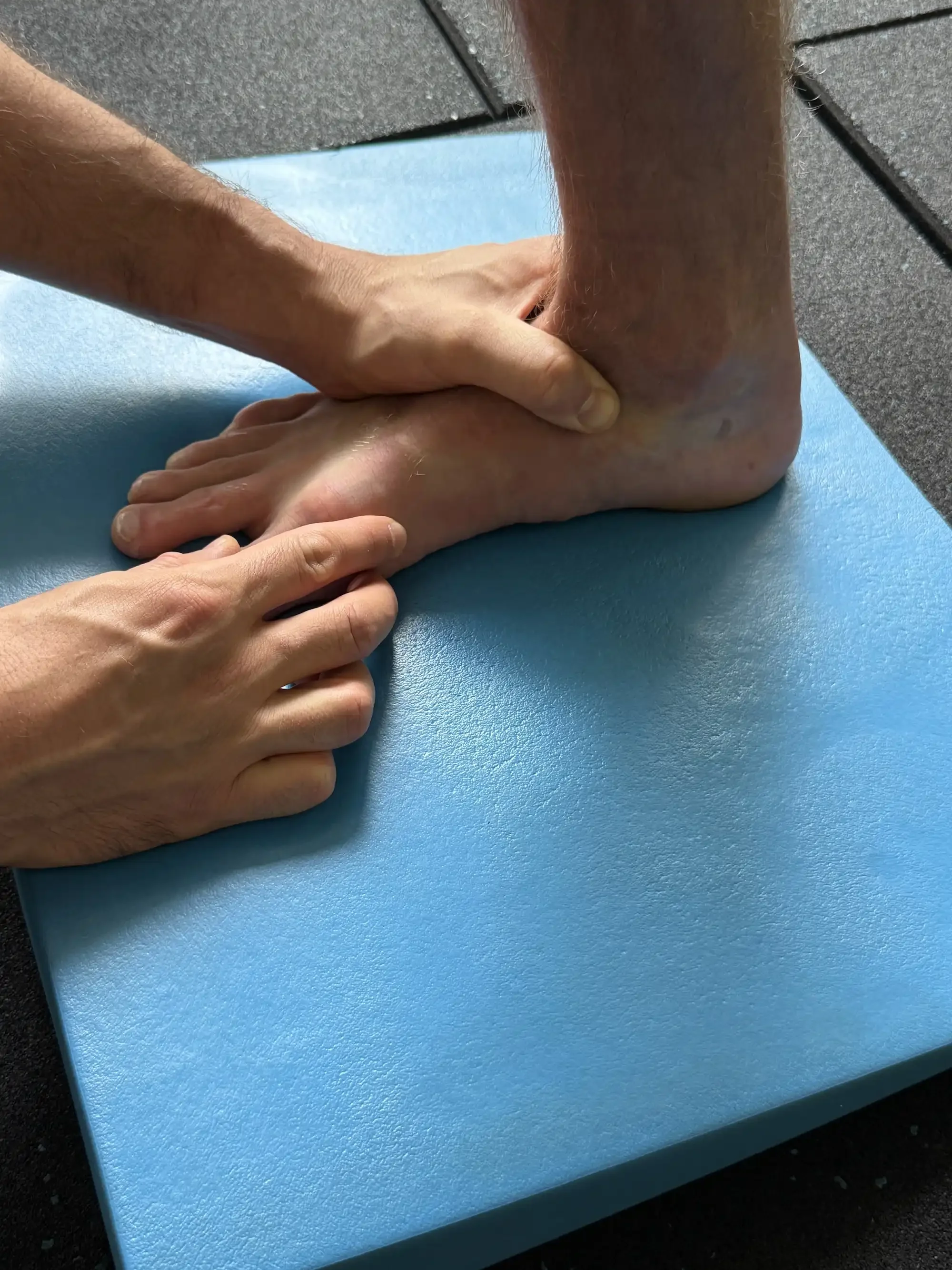
Expert physiotherapy treatment is required and can deliver immediate pain relief through manual therapy (soft tissue release and joint mobilisation) which breaks down scar tissue and tension, improves blood flow and promotes healing, together with taping to provide arch support and manage loadbearing.
At Bondi Platinum Physio, we’ll work not only on immediate pain relief but also on long term recovery through targeted mobility and stretching exercises to restore motion and build strength. We also advise on correct footwear and guide you through a gradual return to activity.
-
What you’re feeling
A sharp, stabbing feeling or a bruised feeling underneath the foot, typically worst during the first few steps in the morning or after long periods of sitting. It also tends to be most painful when commencing exercise and after exercise. The pain can move over the course of the injury.
-
What can cause it
Inflammation or degeneration of the planta fascia tissue due to overuse (either chronic or after a single event, usually running or walking related). Risk factors include foot structure (high/low arches), improper footwear, repetitive impact activity, obesity and poor load management during training.
-
What you need to know
Symptoms can be intermittent with long periods between flare-ups. A pain-free period does not mean the condition has resolved itself: the next flare-up may be just around the corner.
Plantar fasciitis generally does not go away on its own, and recovery can take weeks or even months. Symptoms can remain dormant, until the pressure placed on your foot increases and brings the symptoms to life again.
-
How we help you
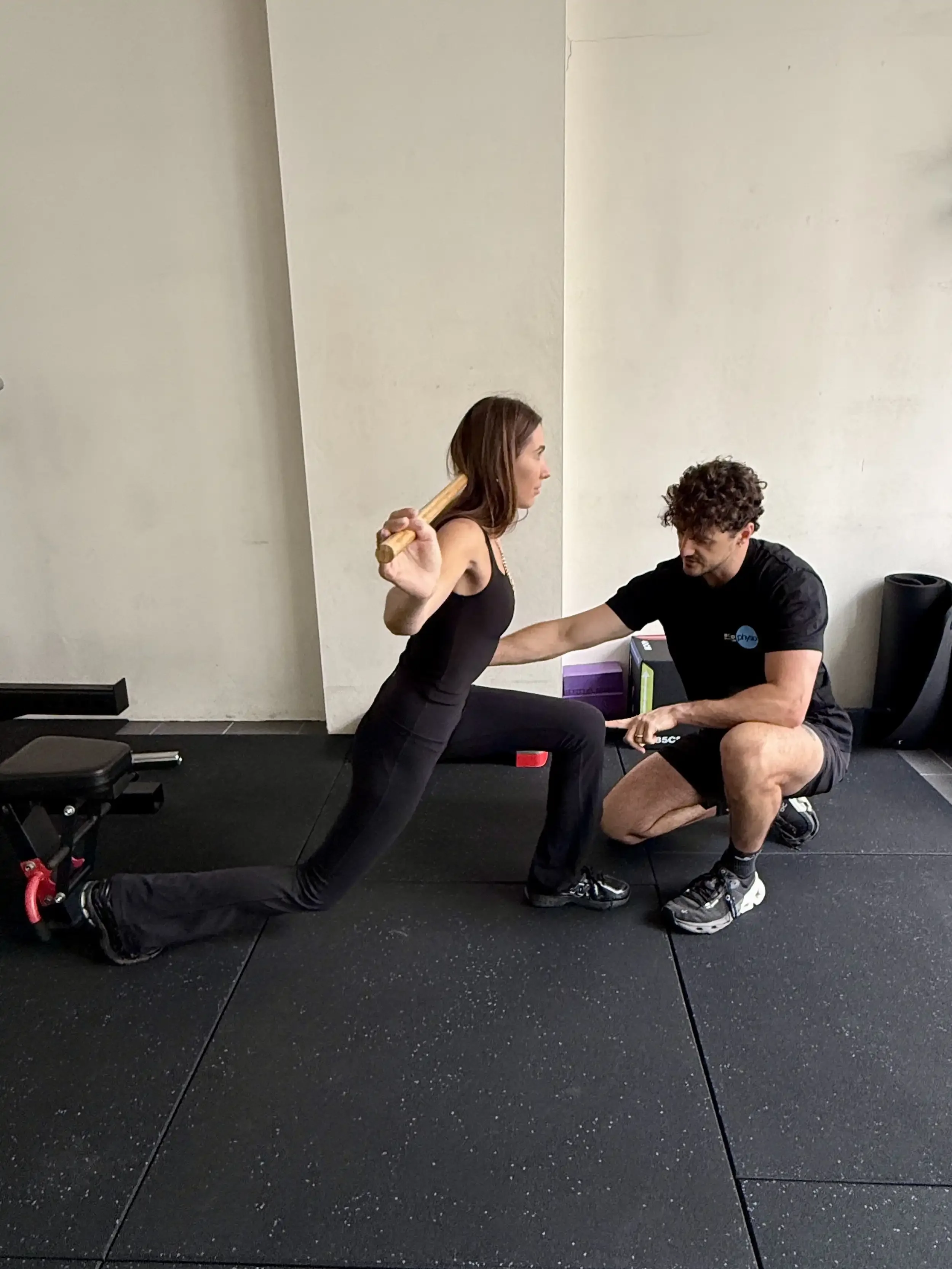
Physiotherapy can provide immediate pain relief through soft tissue therapy and taping followed by a personalised program of exercise to improve strength, mobility and flexibility. We also advise on correct footwear where that is identified as a contributing factor. We look at the whole body, doing a careful assessment of the knee and hip to identify all contributing factors.
We work with you to get you back to full function and reduce the likelihood of future flare-ups.
We build bodies that don’t break.
We understand your body not just your injury. Expert physiotherapy focussed on lasting results. Healthier. Stronger. Happier.