
Bursitis
Pain and swelling caused by the irritation of small fluid filled sacs located all over the body.
Bursae are small fluid filled sacs located throughout the body between the tendons, muscles, skin and bones. They act as a cushion to reduce friction between these moving parts. Bursitis is the term used to describe when these sacs become inflamed – which occurs most commonly in the shoulders, hips, knees and elbows.
Common causes include repetitive movement, overuse, prolonged pressure and a direct blow. Lower limb bursa issues are commonly seen in runners, gardeners and carpet layers.
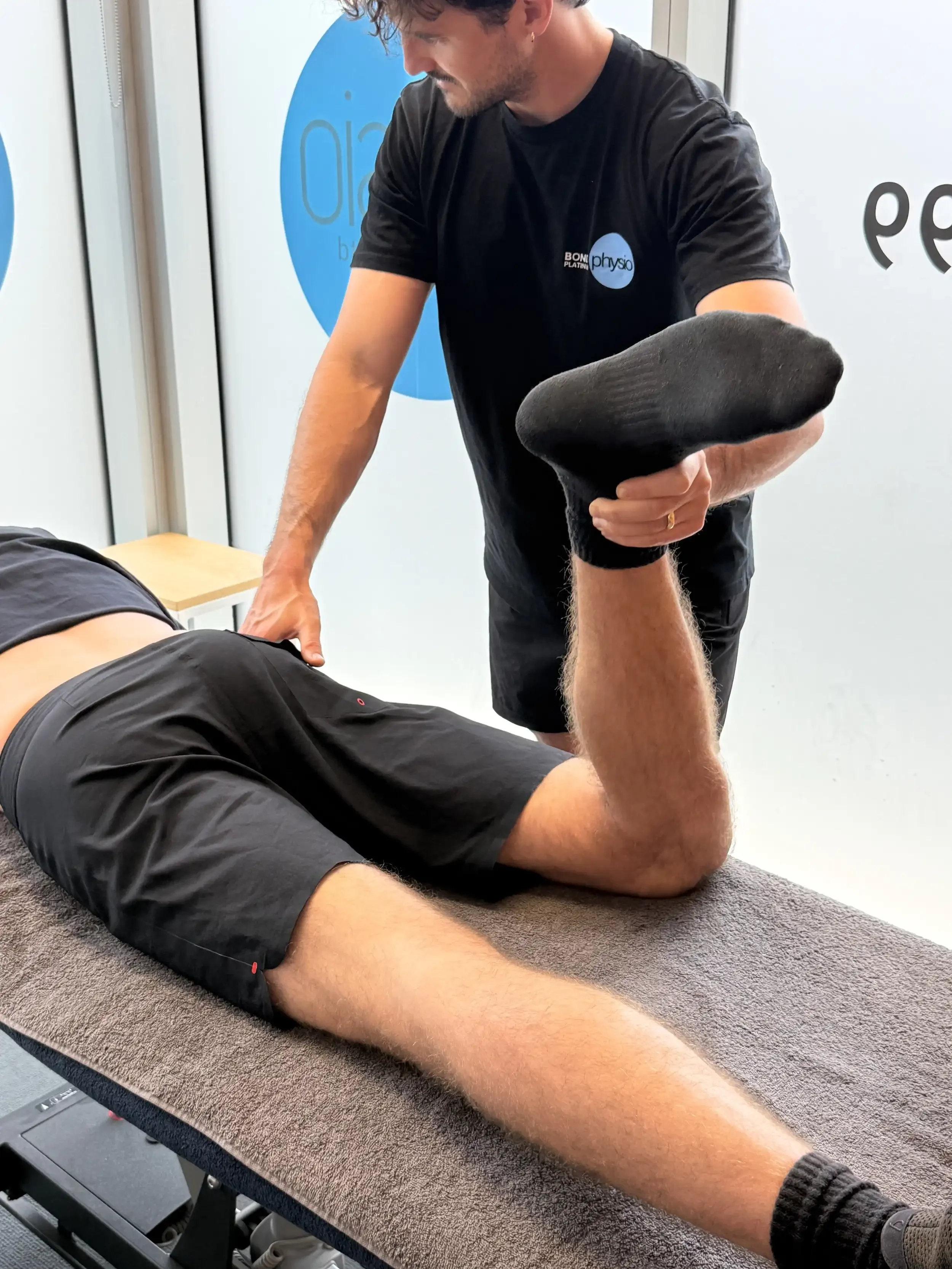
Bondi Platinum Physio focusses first on relief and then on resilience so you can return to normal activity. Treatment is a combination of rest, non-steroidal anti-inflammatory medication, postural retraining and physiotherapy to strengthen the surrounding muscles and improve mobility. In some cases, it can be necessary either to use cortisone injections to reduce the inflammation or to manually drain excess fluid from the affected bursa. Because bursitis is often associated with tendon problems, restoring tendon health is important as this can assist in making it less likely that the bursa will get irritated again in the future.
-
What you’re feeling
A dull ache in some of your joints that gets more intense or with movement. Pain at night is common, especially with shoulder and hip bursitis. The area around the joint may feel puffy and swollen and the skin may look red and feel warm to the touch. The joint may be stiff with restricted range of movement.
-
What can cause it
Inflamed bursae are typically an overuse injury caused by repetitive movement such as running, throwing a ball or gardening, or by prolonged pressure on the joints such as from kneeling or leaning on your elbows for long periods at a time. It can also be caused by a direct knock or blow to the joint. Existing inflammatory conditions such as arthritis or gout can contribute to bursitis.
-
What you need to know
Symptoms usually improve within a few weeks of physiotherapy treatment but if left untreated, bursitis can be become a chronic long-term condition.
Changing your activity patterns may be needed to avoid a recurrence.
The risk of bursitis increases with age. Understanding why the bursae became inflamed in the first place is key to avoiding reoccurrence.
-
How we help you
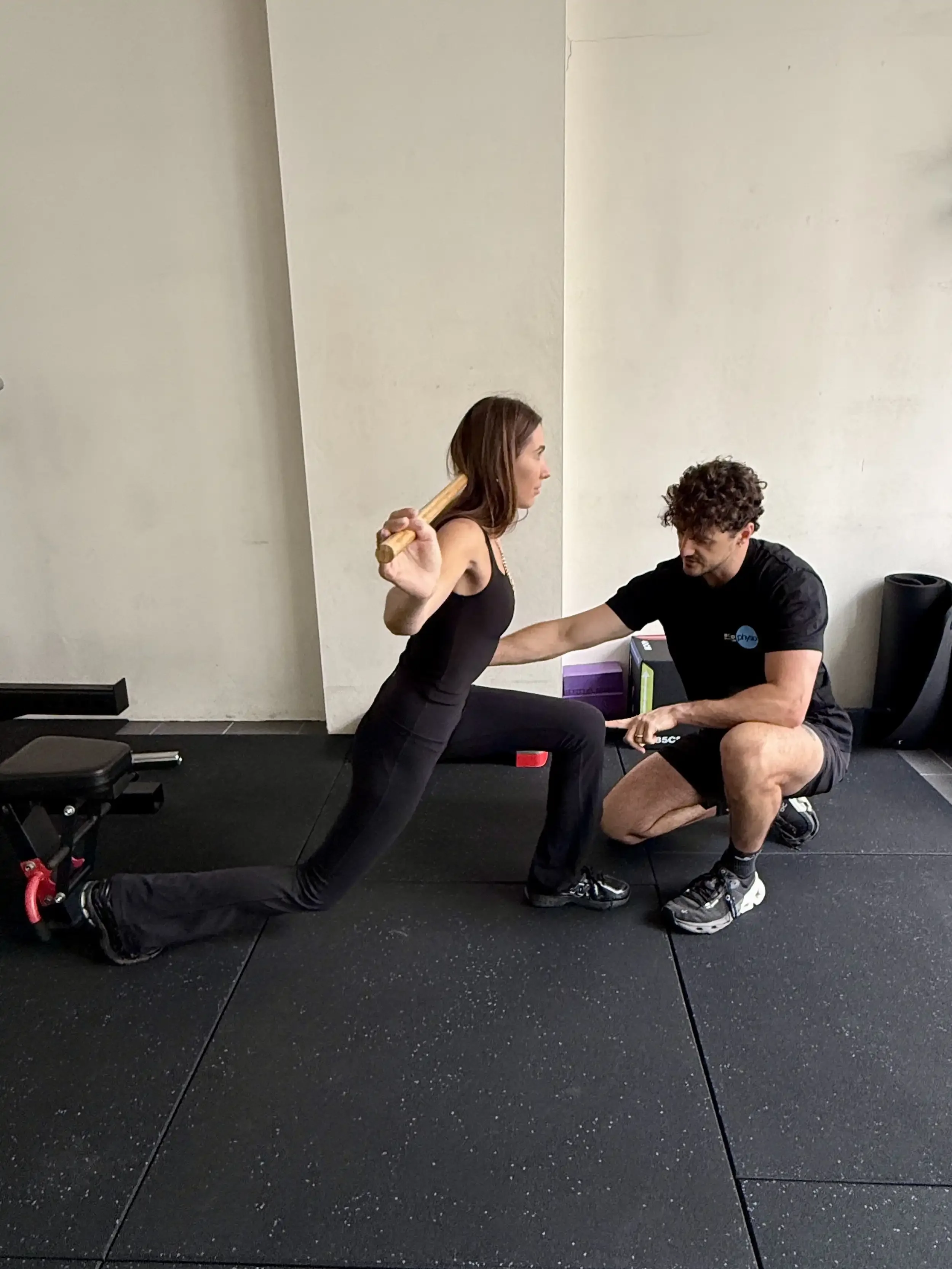
Manual physiotherapy treatment reduces muscle tension and gives instant pain relief. We build resilience through exercises to strengthen the muscles and tendons around the affected joint to ensure there is less pressure and irritation on the bursae. If your physio diagnoses repetitive movement or sustained pressure as a contributing cause, we work with you on postural retraining to reduce the ongoing impact of those activities on your joints.
We build bodies that don’t break.
We understand your body not just your injury. Expert physiotherapy focussed on lasting results. Healthier. Stronger. Happier.