
Nerve Pain
A shooting, stabbing or burning pain that follows the path of a nerve, sometimes with pins and needles or numbness.
Nerve or ‘neuropathic’ pain is a type of pain caused when the nervous system is sensitized, damaged or malfunctions. Pain can be felt at any of the various levels of the nervous system including the central nervous system (your spinal cord and brain) as well as the peripheral nerves which spread throughout the body.
There are many causes of nerve pain. The most common is damage due to high blood sugar (because of diabetes) but nerves can also be damaged through physical injury or as a complication of surgery. Sometimes there is no underlying tissue damage but the nervous system becomes hypersensitised due to irritated, compressed or pinched nerves (sciatica, disc herniations or Carpal Tunnel Syndrome), or medical conditions such as shingles, multiple sclerosis, HIV/AIDS and Parkinson’s.
At Bondi Platinum, our expert physios focus on identifying the underlying causes (and referring you to other medical specialists where appropriate), providing pain relief, maintaining functionality and working with you to improve quality of life. We will perform a comprehensive assessment to find the root cause of your pain and design a personalized plan for your recovery.
-
What you’re feeling
Unlike muscle or joint pain, nerve pain often causes shooting, stabbing or burning sensations. You may also feel pins and needles, numbness and reduced sensation (hypoalgesia), increased sensitivity to touch (allodynia) or weakness in the arms or legs.
The pain may be constant or intermittent and is often worse at night. Nerve pain often affects the arms, legs, hands and feet but can be felt anywhere in the body.
-
What can cause it
Damaged or dysfunctional nerves can result from a physical injury but can also be due to surgical complications or an underlying medical condition such as shingles, multiple sclerosis, diabetes or Parkinson’s disease. Other causes include infections, chemotherapy side effects, alcohol use disorders and vitamin deficiencies.
-
What you need to know
Standard painkiller medications like Ibuprofen are often ineffective.
Neuropathic pain generally requires a combination of different treatments including medication, physiotherapy, psychological counselling and, in some cases, surgery.
If you are experiencing rapidly deteriorating distal limb weakness or paraesthesia around your pelvis with bladder and bowel dysfunction, you should get to a hospital immediately.
-
How we help you
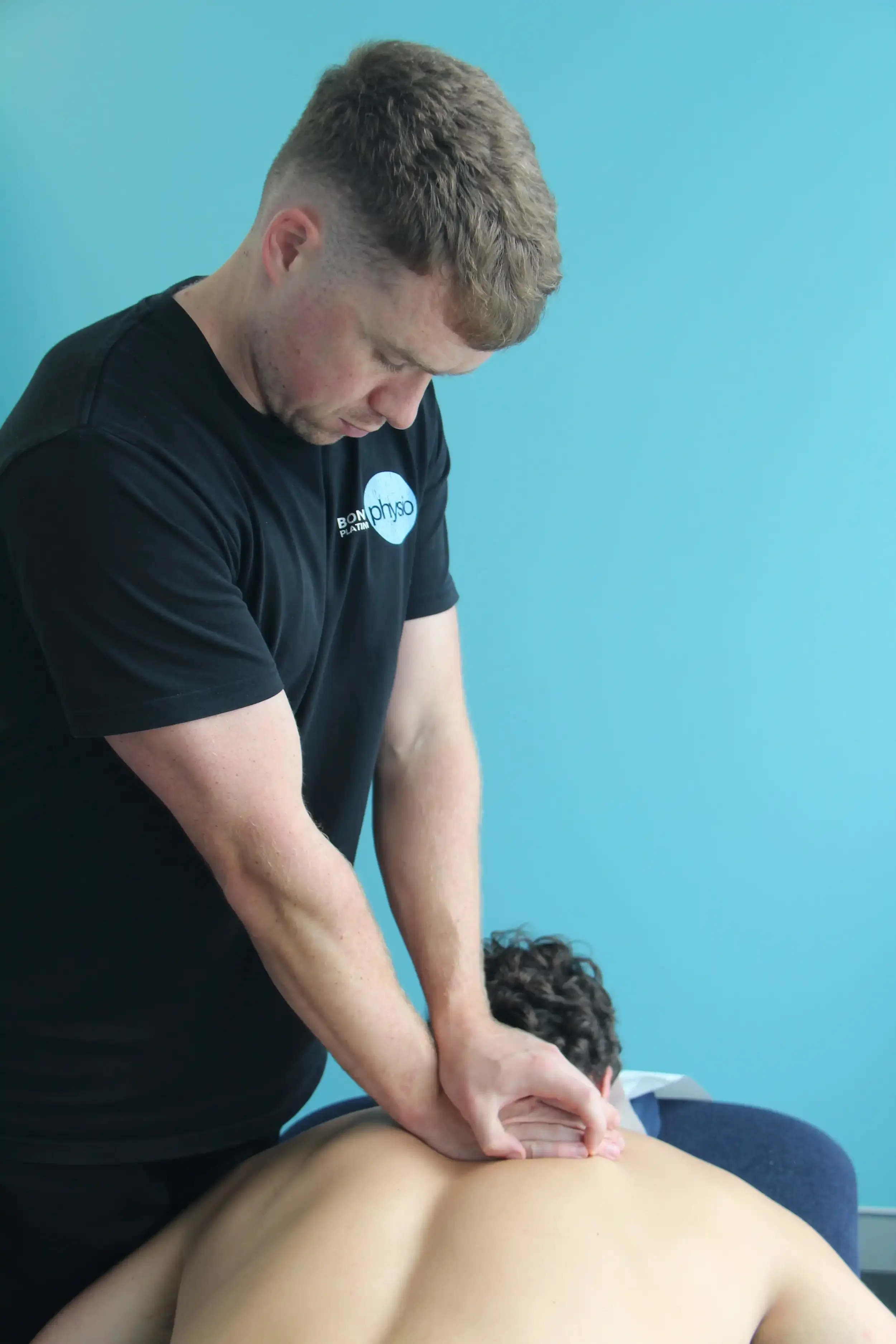
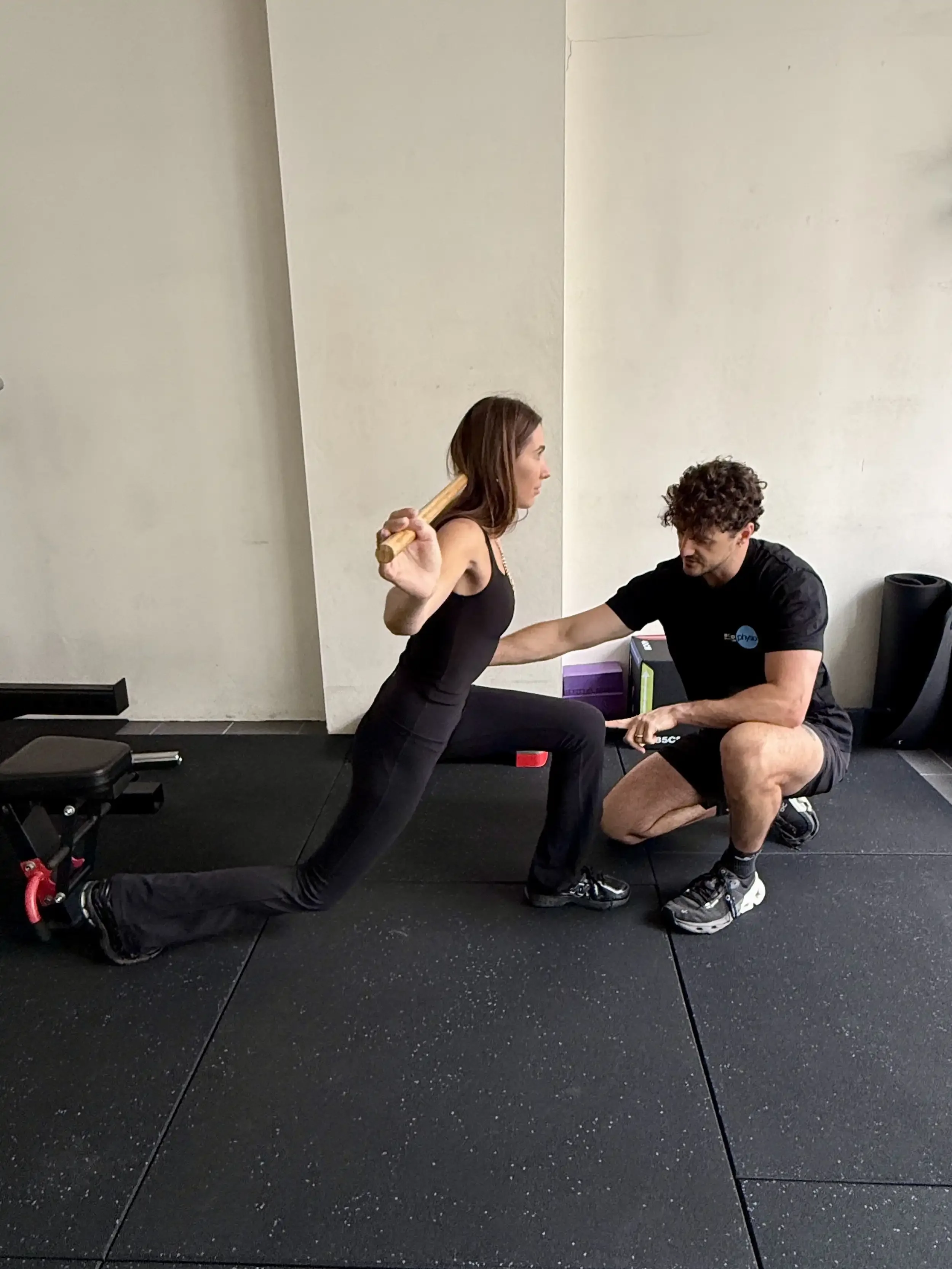
Manual physiotherapy releases tension in the surrounding joints and muscles and reduces pressure on the nerve. Nerve mobilisation exercises help improve nerve mobility in relation to surrounding soft tissue and help to reduce sensitivity. Targeted strength exercises help reduce pain in the short term and are crucial for long term management. Where appropriate, your physio will provide education on posture, sleep positions and workplace set ups to avoid aggravating the affected nerve. If surgery is necessary, we are part of your team of health professionals all focussed on your recovery.
We build bodies that don’t break.
We understand your body not just your injury. Expert physiotherapy focussed on lasting results. Healthier. Stronger. Happier.